
Key Takeaways
- In 2022, Morris took inside design lessons and began her business on the aspect.
- A 2024 layoff motivated Morris to go all-in and lean into designing for historic properties.
- She saw about $48,000 in take-home pay 12 months one and expects about $100,000 in 2026.
This as-told-to story is based mostly on a dialog with Abigail Morris, founder of Chicago-based full-service inside design studio Abigail Morris Interiors. In 2022, Morris began her inside design business on the aspect, building it as she continued her full-time profession in company tech. After being laid off at the finish of 2024, Morris went all-in on her business. The piece has been edited for size and readability.
I’ve been doing inside design in some type or other my total life without actually realizing it. Mostly in giving unsolicited advice growing up — I always had sturdy opinions on colours and materials and issues like that. But it wasn’t until much later that I realized I could pursue it as a profession, which sounds foolish. My household, with the best of intentions, inspired me to go to business college and begin a profession that felt secure. So I labored in company tech for about 10 years.
Starting an inside design Instagram account
Then, like many people during the pandemic, I had time to reevaluate. Am I actually glad with what I’m doing? What’s next for me? I determined to observe that authentic ardour for design. It felt like a now or never second. So I took inside design lessons at The Art Institute of Chicago. I got a certificates there, then began an inside design Instagram. I needed people to know I was open for business. But I continued working full-time in company tech because I was still a little afraid to go all-in. I had a very comfy job; I had the golden handcuffs.
Then, close to the finish of 2024, I got laid off. It was such a blessing in disguise — the universe setting me free to go all-in on my business. It was around that level that I also shifted focus to restoring historic residential and business properties. I have such a reverence and a ardour for historic properties. They were just made with so much more consideration to element and craftsmanship.
Adding historic designs to my Instagram portfolio
My husband and I moved into our 1889 row home here in Chicago. Before I was laid off, I did a bunch of updates to our home and had it photographed. That helped me add to my portfolio on Instagram. The first few shoppers that reached out to me had also had historic properties and were attracted to me because I had that in my portfolio. The business snowballed from there. I get a lot of requests to work on historic properties here in the metropolis and have began fielding some requests from further out in the Midwest and even on the West Coast. In the previous couple months, I’ve gotten more requests for people who have newer builds who need that feeling of a more historic, character-rich home.
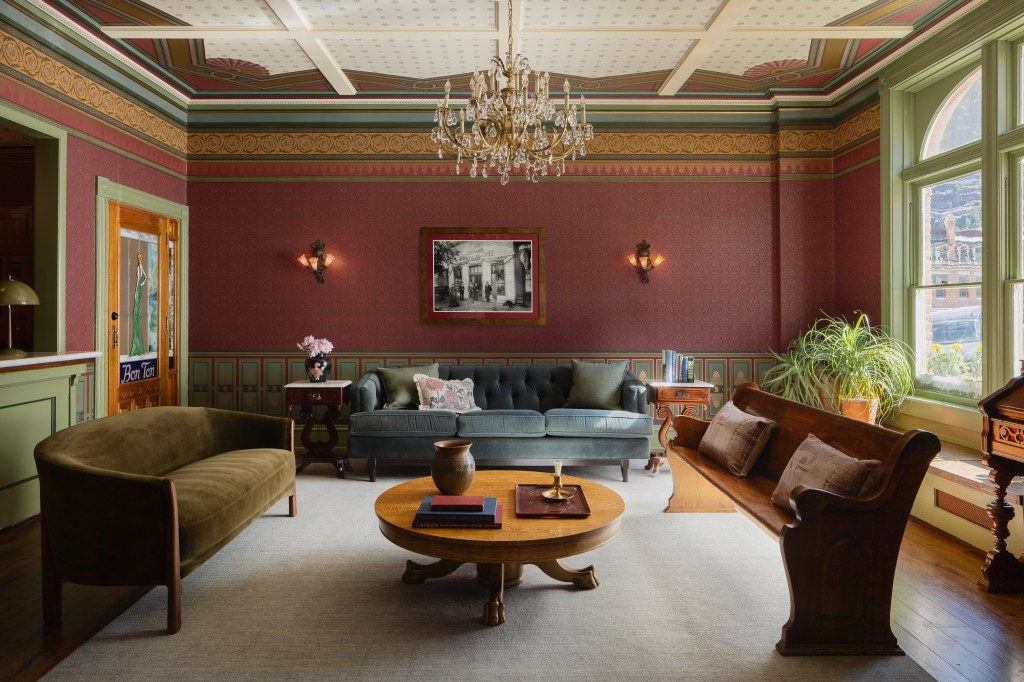
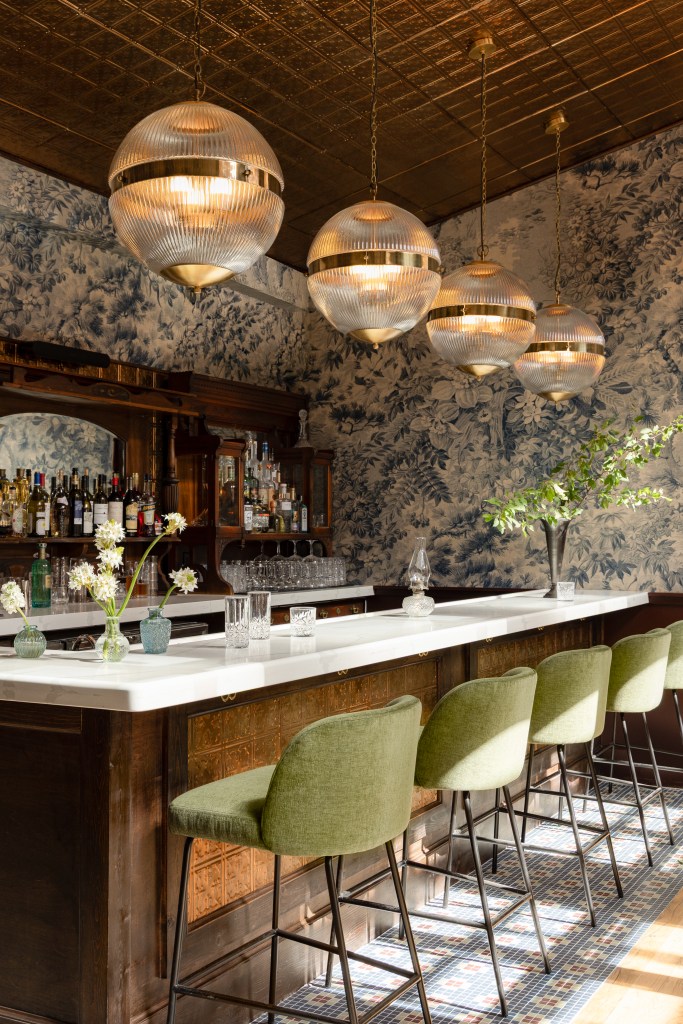
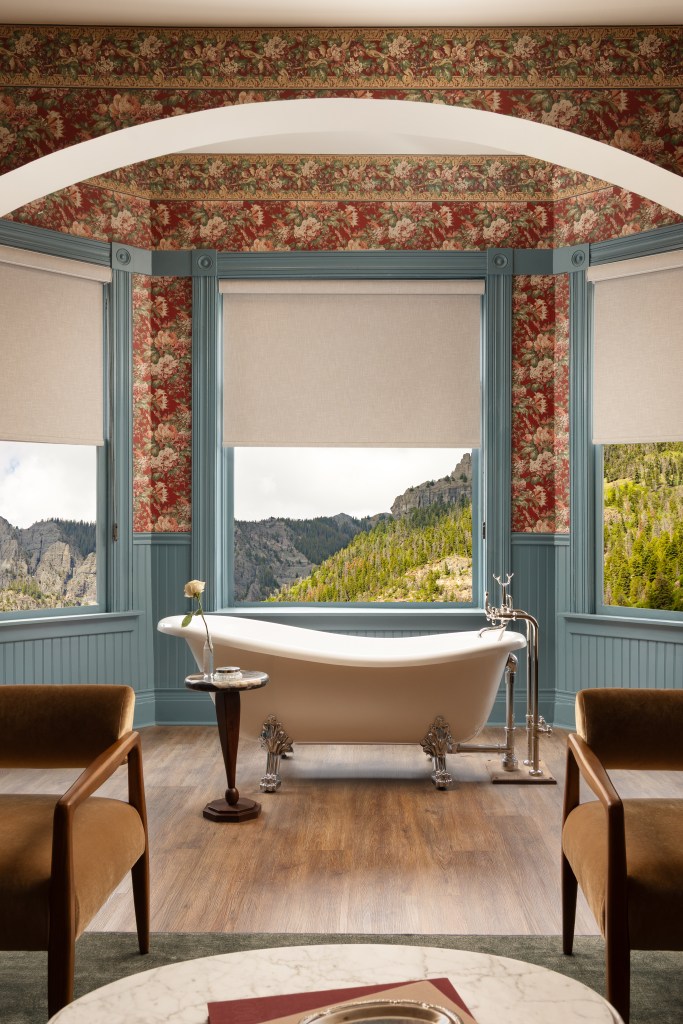
Earlier this 12 months, I labored on the St. Elmo Hotel in Ouray, Colorado. I was linked with the proprietor, who also has a ardour for preserving historic buildings. So he and his hospitality group had already finished one project in Montrose, Colorado and were trying for a designer to work on a building that had a lot of authentic options. The aim was to have a good time those traits but also deliver the design into the twenty first century with more fashionable comforts. Because I already had expertise working on a lodge on the National Register of Historic Places, they pulled me in.
Designing for historic properties takes self-discipline
Designing for historic properties requires self-discipline. Rather a lot of occasions, when you go into a space and you’re redesigning, you’re beginning from scratch and reimagining everything. But that’s not the case with historic properties. We have to think about what we can protect. For instance, in the St. Elmo Hotel, we saved as much wallpaper on the partitions as we could. We didn’t take away any of the wainscoting or issues like that and did a lot of repairs to deliver issues back to their authentic glory. So it’s about having an eye for modifying before making any massive design selections.
During the first 12 months in business, I was still getting my sea legs. I was still working full-time; it was actually trial by fire. So my take-home pay was around $48,000 the first 12 months. And I reinvested into the business considerably. Project pictures is always a massive investment. I also labored with a stylist and videographer. This previous 12 months, I’m on monitor for about $168,000 for the 12 months. And my take-home pay will most likely be around $100,000. The relaxation I’ll reinvest into the business — PR, project pictures, and so on. I’ve also introduced on someone to help me edit social media reels because that’s a full time job in and of itself.
Eyeing strategic hires to scale the business
Next, I plan to make some more strategic hires to help me scale. Right now, I’m carrying too many hats. I don’t have enough time to do the design work and scale the business and consumer expertise the manner I need to. I do have a CPA and a bookkeeper, and I had an intern over the summer season. But it would be great to have more support for procurement, technical drawings and other assistant duties. I’m really actively interviewing people this week.
In addition to hiring and scaling the business, one of the greatest challenges and alternatives forward is the influence of AI. Currently, I use Claude and ChatGPT to help with some back-office duties, like organizing the notes I take on my iPad while on a job website. But I’m seeing a lot of shoppers come in with designs they’ve made with AI, asking how to translate that to their rooms. On one hand, that’s great — I need people to have access to these instruments. But these instruments also require training. People have to perceive that just because AI generates this image, that doesn’t imply it’s structurally doable to implement. Or possibly it contains a particular chair that doesn’t exist.
AI and the arts and crafts renaissance
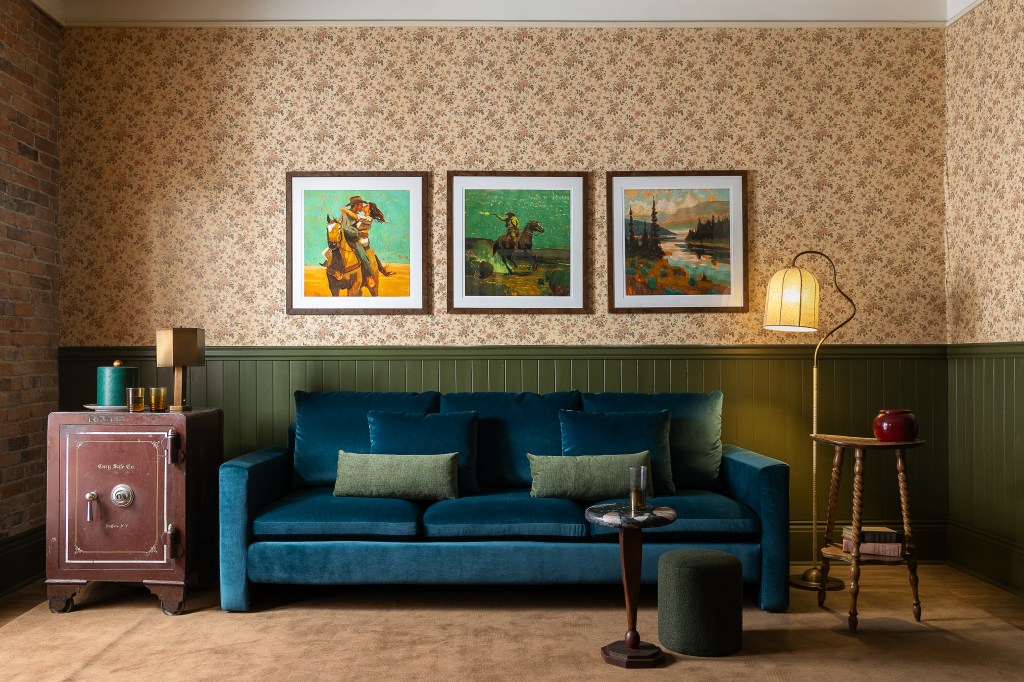
In our present period, with AI and technology shifting at the velocity of gentle, I think people are actually going to begin to worth craftsmanship. I think we’re going to have an arts and crafts renaissance. And I’m trying ahead to how that performs out. The authentic arts and crafts revival in the U.S. was a consequence of the Industrial Revolution. Everybody was like, “We’re tired of having all this mass-produced, not well-made stuff.” We’re completely seeing that now. People crave a little bit of that imperfection in their home. They gravitate toward objects that look like somebody really made them with their palms versus in a machine across the ocean.
The world is getting wilder and wilder, and people positively need to have respite in their home. They need that layered, cozy vibe. I’m actually excited to be half of that.
Key Takeaways
- In 2022, Morris took inside design lessons and began her business on the aspect.
- A 2024 layoff motivated Morris to go all-in and lean into designing for historic properties.
- She saw about $48,000 in take-home pay 12 months one and expects about $100,000 in 2026.
This as-told-to story is based mostly on a dialog with Abigail Morris, founder of Chicago-based full-service inside design studio Abigail Morris Interiors. In 2022, Morris began her inside design business on the aspect, building it as she continued her full-time profession in company tech. After being laid off at the finish of 2024, Morris went all-in on her business. The piece has been edited for size and readability.
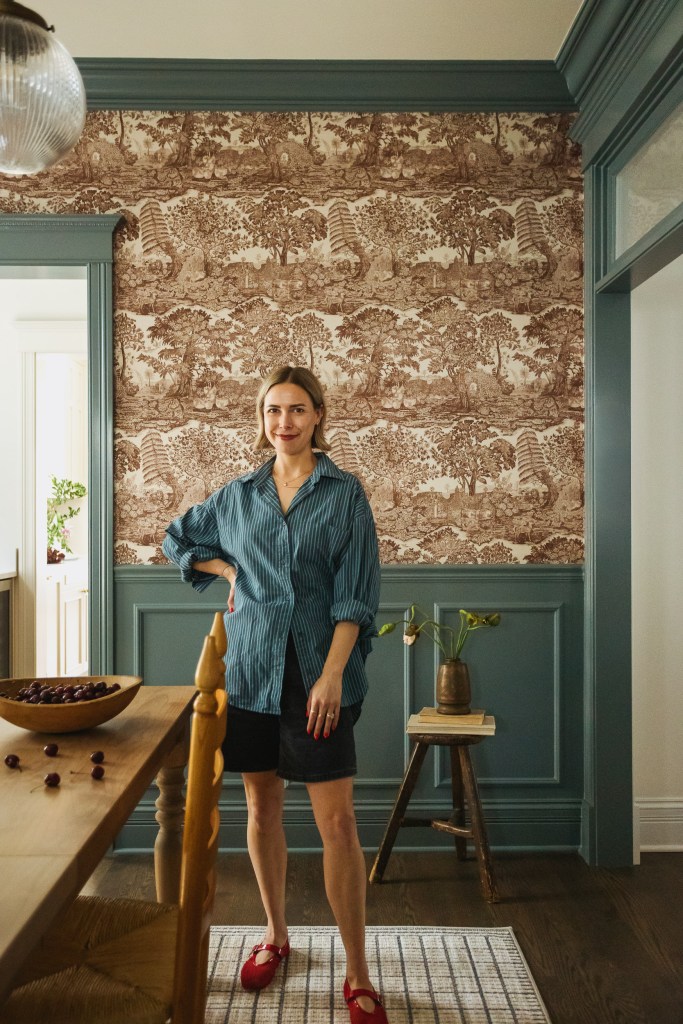
I’ve been doing inside design in some type or other my total life without actually realizing it. Mostly in giving unsolicited advice growing up — I always had sturdy opinions on colours and materials and issues like that. But it wasn’t until much later that I realized I could pursue it as a profession, which sounds foolish. My household, with the best of intentions, inspired me to go to business college and begin a profession that felt secure. So I labored in company tech for about 10 years.
Starting an inside design Instagram account
Then, like many people during the pandemic, I had time to reevaluate. Am I actually glad with what I’m doing? What’s next for me? I determined to observe that authentic ardour for design. It felt like a now or never second. So I took inside design lessons at The Art Institute of Chicago. I got a certificates there, then began an inside design Instagram. I needed people to know I was open for business. But I continued working full-time in company tech because I was still a little afraid to go all-in. I had a very comfy job; I had the golden handcuffs.